|
Bruce Overby Newsletter | Into the Abyss͏ ͏ ͏ ͏ ͏ ͏ ͏ ͏ ͏ ͏ ͏ ͏ ͏ ͏ ͏ ͏ ͏ ͏ ͏ ͏ ͏ ͏ ͏ ͏ ͏ ͏ ͏ ͏ ͏ ͏ ͏ ͏ ͏ ͏ ͏ ͏ ͏ ͏ ͏ ͏ ͏ ͏ ͏ ͏ ͏ ͏ ͏ ͏ ͏ ͏ ͏ ͏ ͏ ͏ ͏ ͏ ͏ ͏ ͏ ͏ ͏ ͏ ͏ ͏ ͏ ͏ ͏ ͏ ͏ ͏ ͏ ͏ ͏ ͏ ͏ ͏ ͏ ͏ ͏ ͏ ͏ ͏ ͏ ͏ ͏ ͏ ͏ ͏ ͏ ͏ ͏ ͏ ͏ ͏ ͏ ͏ ͏ ͏ ͏ ͏ ͏ ͏ ͏ ͏ ͏ ͏ ͏ ͏ ͏ ͏ ͏ ͏ ͏ ͏ ͏ ͏ ͏ ͏ ͏ ͏ ͏ ͏ ͏ ͏ ͏ ͏ ͏ ͏ ͏ ͏ ͏ ͏ ͏ ͏ ͏ ͏ ͏ ͏ ͏ ͏ ͏ ͏ ͏ ͏ ͏ ͏ ͏ ͏ ͏ ͏ ͏ ͏ ͏ ͏ ͏ ͏ ͏ ͏ ͏ ͏ ͏ ͏ ͏ ͏ ͏ ͏ ͏ ͏ ͏ ͏ ͏ ͏ ͏ ͏ ͏ ͏ ͏ ͏ ͏ ͏ ͏ ͏ ͏ ͏ ͏ ͏ ͏ ͏ ͏ ͏ ͏ ͏ ͏ ͏ ͏ ͏ ͏ ͏ ͏ ͏ ͏ ͏ ͏ ͏ ͏ ͏ ͏ ͏ ͏ ͏ ͏ ͏ ͏ ͏ ͏ ͏ ͏ ͏ ͏ ͏ ͏ ͏ ͏ ͏ ͏ ͏ ͏ ͏ ͏ ͏ ͏ ͏ ͏ ͏ ͏ ͏ ͏ ͏ ͏ ͏ ͏ ͏ ͏ ͏ ͏ ͏ ͏ ͏ ͏ ͏ ͏ ͏ ͏ ͏ ͏
|
Politics was the topic of the November newsletter I sent out the day of the U.S. presidential election, and in the months since, American politics has been, for me and many others I know, a fraught and difficult topic. One of the saddest things I’ve heard, in these days of buffoon appointments and ominous threats, came from a writer I know, a writer who typically releases a New York Times bestseller once every 12–18 months. This writer revealed to me that she has been completely unable to write since the election—a painful microcosm of what many of us in the truth faction are experiencing: creative paralysis; complete stasis.
|
|
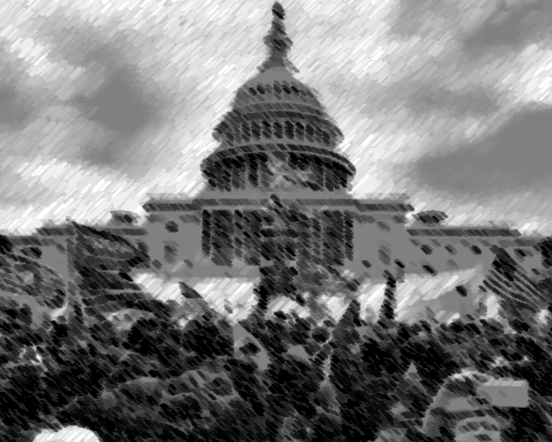
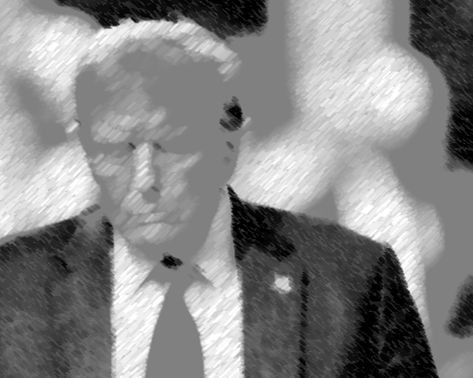
And now we descend into the abyss, with each passing day bringing another reminder of the dangers ahead. Two domestic terror attacks have reminded us of the vital role the FBI plays in ensuring our safety. Donald Trump dismisses that role and plans to remake the bureau into a secret police force dedicated to retribution against his detractors. A polar vortex battering 2/3 of the country and wildfires raging in Los Angeles are just the latest harbingers of the calamities we face from manmade climate change. Donald Trump denies it exists, politicizes tragedy, and incessantly demonizes not only scientists who raise the alarm, but innovators who work to turn back this disastrous tide. And on the world stage, desperate Palestinians, brave Ukrainians, and newly liberated Syrians all see the U.S.A. differently now. Donald Trump’s ambivalence toward the world’s vulnerable and oppressed promises to push these and other peoples of the world into the arms of the resurgent Chinese and Russian dictators Trump worships and reveres, and to whom he is certain to capitulate.
|
|
We’re back in the 1930s again, when fascists came to dominate Europe, inspiring American ultranationalists and fascists to ally themselves with Hitler. In those years, the rise of fascism was accelerated by two technological developments: radio and mechanized warfare. On the radio, the broadcasts of Tokyo Rose, Axis Sally, and Lord Haw Haw, and, more prominently, the virulent, racist words of “The Radio Priest” Father Charles Coughlin, infected the minds of millions of Americans. And the blitzkrieg employed by Hitler’s Germany beginning in the late 1930s depended heavily on the tanks, armored vehicles, and motorized transport developed during the previous two decades of rearmament. Today, fascism in the U.S. is similarly fueled by technology. Social media built on outrage has been painstakingly designed to spread disinformation, and has long been a platform for radicalization. And artificial intelligence is now adding to the toxic mix, supercharging the engagement and recruitment of radical extremists and inspiring a new wave of racist imagery.
|
|
To these larger questions about how to change the country’s direction, I have no answers. I completely understand the creative paralysis my prominent writer friend is experiencing. Many writers experienced artistic suffocation after 9/11, and this is, in some respects, even worse. Acts one considers despicable are deeply disturbing when committed by foreign terrorists from half a world away, but despicable acts committed en masse by one’s fellow citizens are more disturbing. The enemy is no longer at the gates; the enemy is within, it is surrounding us, it is everywhere. And when I use the term enemy, I am not referring to Trump voters, or even MAGA. I am referring to the misinformation and wanton deception and lies employed by MAGA’s leaders, and the media and technology that enabled those leaders to exploit voter apathy and exhaustion, leading so many to buy into the lies and vote as they did. In such a world, in such a country, is there a place for truth? As daunting as that question is, the very least we can do is try to find out. That same prominent writer used to teach us that a fiction writer must come to the page free of judgment so that the fictions he or she creates will be, first and foremost, honest. And that honesty in fiction, being one of the great and powerful paradoxes of the art form, is the tool by which novelists and story writers must find—or create—that place for the truth. Unfortunately, minute-by-minute depictions of despicable behavior in the news tend to elicit, and even demand, judgment. And that, I think, is exactly the thing that is preventing some of us from coming to the page honestly, from harnessing our creativity. Those are the battle lines as I see them, and huge kudos to those who are already taking up the pen. For some of us, though, the dusting off and getting back up have been a little harder this time.
|
|
In the last newsletter, I mentioned my essay “Winds of the Great Shame,” an exploration of the various dimensions, good and bad, of my Irish Catholic heritage, prompted by my mother’s death in 2019 and by her well-worn copy of Leon Uris’s 1976 novel Trinity. As promised, I can now report that the essay is live at Merion West, and has the further distinction of making Merion West’s Editor’s Choice list of Notable Articles for 2024. Merion West editor Jonathan Church wrote: “This piece is a beautifully crafted work of creative nonfiction that recounts the generational trauma of alcoholism in the author’s Irish-American family.” I’m grateful to Jonathan for these words, and for giving “Winds of the Great Shame” a home.
|
|
In case you missed them, previous editions of the Bruce Overby newsletter can be viewed online here. If you’re not yet a subscriber, you can subscribe here. This newsletter comes out no more than once a month, and I never share subscriber information with anyone.
|
|
|
|